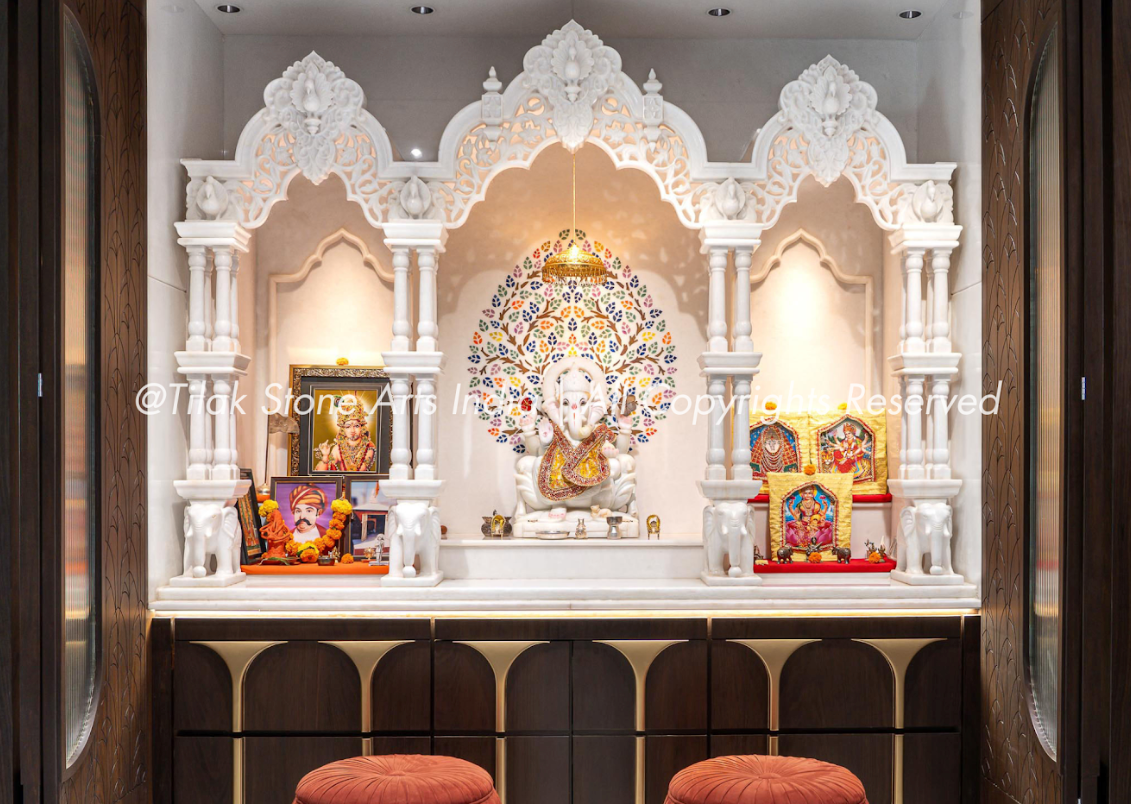
When designing a place of worship, the first thing that comes to our mind is how to create a structure that looks beautiful and also reflects tradition. A white marble temple has always been considered a symbol of purity, peace, and detailed craftsmanship. However, with changing design preferences, temple architecture is also evolving. Today, many people are exploring new ideas that combine traditional artistic elements with modern design approaches.
Understanding the Beauty of White Marble Architecture
White marble has been used in architectural designs for centuries because of its natural appearance and timeless appeal. The smooth surface, bright color, and ability to showcase detailed carvings make it a preferred choice for spiritual structures. From traditional temples with intricate patterns to contemporary designs with clean lines, marble continues to hold a special place in architecture.
The beauty of marble lies in its ability to adapt to different styles. Traditional designs often focus on detailed artwork, symbolic patterns, and handcrafted elements. Modern designs, on the other hand, focus on simplicity, open spaces, and balanced aesthetics. This combination allows architects and designers to create structures that respect heritage while matching current preferences.
See also: The Rise of Fintech and Digital Banking
Traditional Carvings and Artistic Details
For many years, temple designs have been recognized for their detailed carvings and artistic expressions. Skilled craftsmen create patterns inspired by nature, mythology, and cultural traditions. These carvings are not only decorative but also represent deep meanings connected with spirituality and history.
Pillars, domes, walls, and entrances often feature detailed artwork that requires patience and precision. These traditional elements continue to influence modern temple designs because they add character and create a connection with ancient architectural practices.
The Rise of Modern Minimalist Temple Designs
Modern temple architecture is moving toward simpler, more peaceful designs. Instead of focusing only on heavy decoration, many contemporary structures use open layouts, natural lighting, and minimal patterns. This approach creates a calm environment where visitors can focus on reflection and spiritual experiences.
A modern white marble temple often combines traditional materials with minimal design principles. Spacious interiors, balanced proportions, and subtle detailing create an elegant appearance without making the structure look overly complex.
Material Science Behind Marble Selection
Selecting the right marble involves understanding its quality, durability, and visual characteristics. Factors such as color consistency, strength, and surface texture play an important role in determining how the material performs over time. The study of rocks and minerals, known as petrology, helps in understanding the formation and properties of different stones used in construction.
Architects also consider how natural light interacts with marble surfaces. The reflective quality of marble can enhance the overall appearance of a structure and create a brighter atmosphere. These technical considerations help ensure that the final design remains attractive and durable for many years.
Future Trends in Temple Design
The future of temple architecture is expected to include a balance between traditional craftsmanship and innovative ideas. Designers are exploring sustainable methods, improved construction techniques, and creative concepts that respect cultural values. One interesting concept influencing modern architecture is biomimicry, where design ideas are inspired by patterns and systems found in nature.
With these changing trends, the focus is not only on creating visually appealing structures but also on developing spaces that provide comfort and harmony. A thoughtfully planned white marble temple can represent both cultural heritage and modern architectural thinking.
Final Thoughts
Temple design continues to evolve while keeping its connection with tradition intact. Whether it is through detailed carvings, simple layouts, or advanced design methods, marble architecture remains an important part of cultural expression. The combination of traditional artistry and modern minimalism allows new designs to preserve history while creating meaningful spaces for future generations.