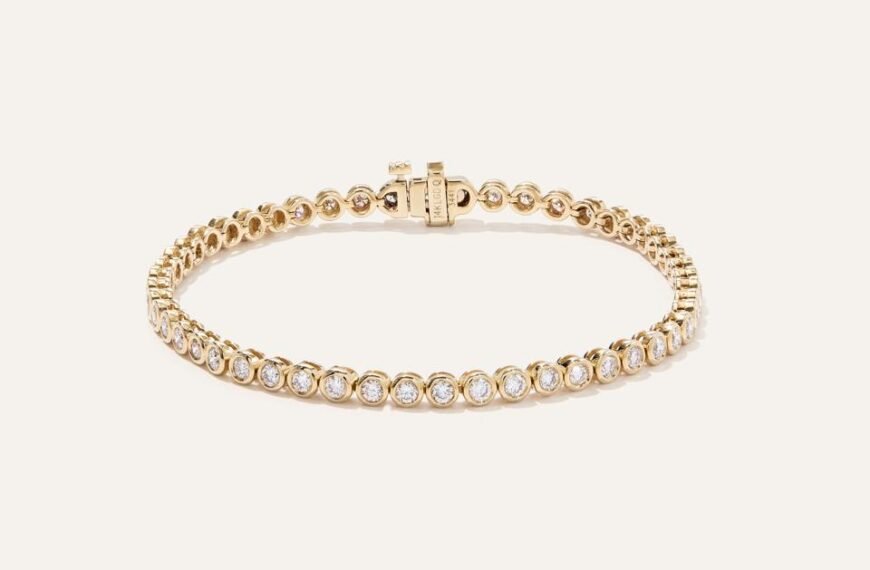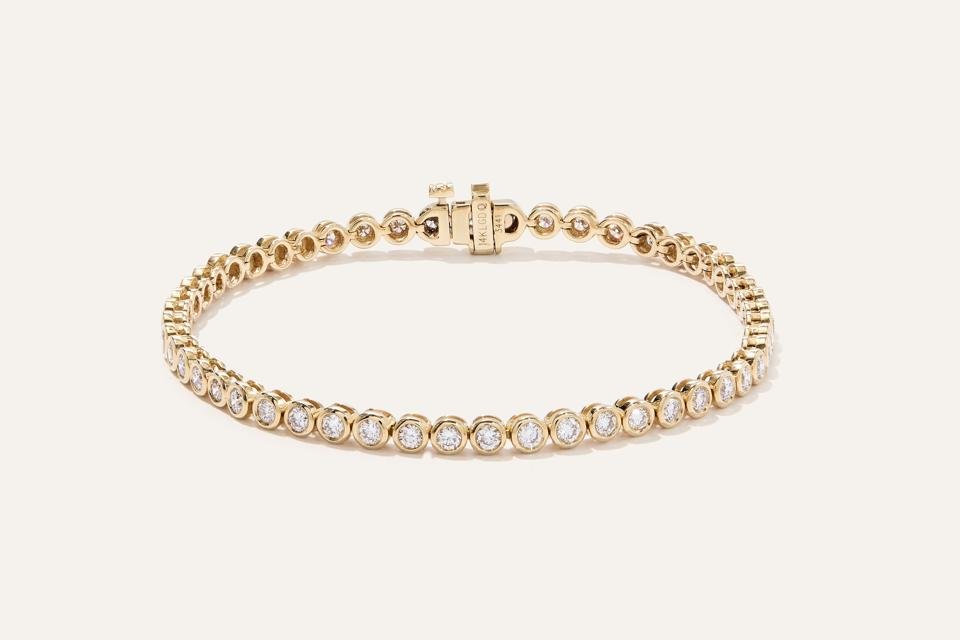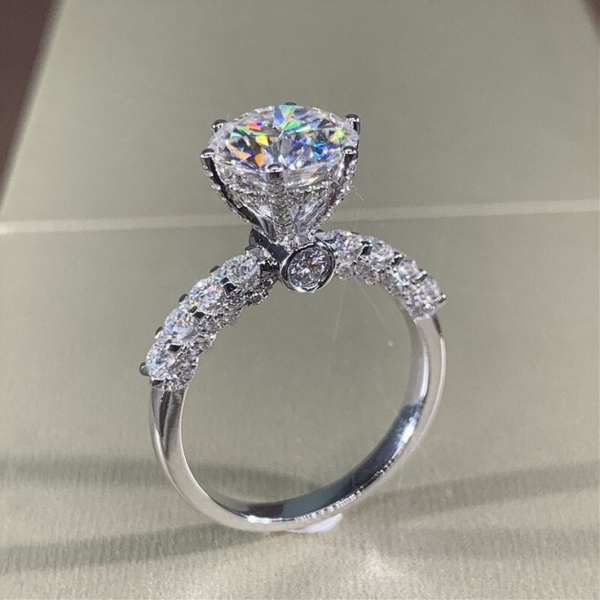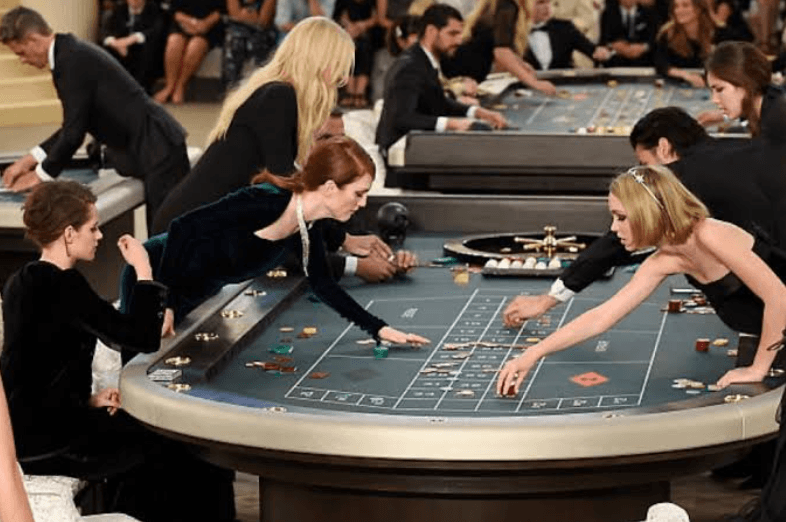
A black suit. A red dress. Playing-card prints. Dice-shaped jewelry. Gold details under bright lights. Casino imagery has become a familiar fashion language, even far from an actual gaming floor.
The look works because people recognize its symbols at once. Hearts, diamonds, clubs, spades, dice, chips, and lucky numbers need little explanation. They suggest glamour, chance, drama, and nightlife in a few simple shapes.
Fashion often borrows from places with a strong visual identity. Western wear uses boots and fringe. Racing style uses checks, patches, and bold logos. Casino-inspired fashion follows the same pattern. It takes clear visual signs from one setting and moves them into another.
Film, music, themed parties, and nightlife helped spread the style. Costume designers used sharp suits and evening dresses to build scenes around luxury and suspense. Musicians later mixed card motifs, bright graphics, and glitter into stage clothes. Party culture turned the same details into easy theme cues.
Today, someone can wear a card-print shirt or dice earrings without making a statement about gambling itself. The symbols have moved into pop culture, costume design, streetwear, and event fashion.
That shift shows how fashion works. A visual code starts in one place. Designers reshape it. Popular culture repeats it. Soon, the image carries meanings that reach far beyond its original setting.
Digital Gaming Added A New Layer To The Look
Casino-inspired fashion once drew most of its cues from physical spaces. Think card tables, velvet ropes, neon signs, chips, and formal evening wear. Digital games added a new set of references.
Bright interfaces, bold icons, fast motion, and space-age graphics began to shape how gambling themes looked online. A term such as jetx online game can appear in wider discussions of digital gaming design, where visual identity matters as much as the basic rules. These newer graphics differ from the classic image of tuxedos and roulette tables, but they still rely on clear symbols, strong contrast, and a sense of spectacle.
Fashion picked up some of those cues. Metallic fabrics, glossy surfaces, sharp geometric prints, and tech-inspired accessories can echo the look of modern game interfaces without copying them directly.
This shift widened the visual vocabulary. Casino style no longer had to mean only red, black, gold, and playing cards. It could also borrow from digital screens, futuristic lighting, and arcade-like graphics.
The result is a broader theme. Traditional casino imagery still works, but modern fashion can mix it with digital culture to create looks that feel more current, playful, and less tied to one specific setting.
Playing Cards Became A Fashion Pattern Of Their Own
Few casino symbols translate into clothing as easily as playing cards. Their shapes are simple. Their colors are bold. Even one heart, diamond, club, or spade can create a clear theme.
Designers can also change the scale without losing the meaning. A shirt may use tiny card suits as a repeating print. A jacket may place one large ace across the back. Jewelry can reduce the same symbols to small metal charms.
The familiar red, black, and white palette adds to the appeal. These colors create strong contrast and work across dresses, shirts, jackets, bags, and accessories. Gold or silver details can make the same pattern feel more formal.
Card imagery also crosses fashion categories with ease. A graphic T-shirt can use it for a casual look. A tailored jacket can turn it into a sharper party theme. A small clutch with a queen or ace motif can add the reference without making the whole outfit feel like a costume.
That flexibility helped playing-card imagery move beyond themed events. The symbols became design elements in their own right.
Fashion often works this way. A familiar object becomes a pattern, and the pattern gains a life beyond its original purpose.
Film And Music Turned Casino Style Into Pop Culture
Film gave casino fashion some of its strongest images. Directors used sharp suits, evening gowns, polished shoes, watches, and jewelry to build scenes around wealth and nightlife. The clothes became part of the setting.
Music pushed the style further. Stage outfits could be louder than film costumes. Artists used sequins, metallic fabrics, card symbols, oversized jewelry, and bold red or black pieces. Music videos then carried those looks to a much wider audience.
The key change was context. A tuxedo no longer needed a formal casino setting to suggest the theme. Pair it with card graphics, dramatic lighting, or gold details, and the reference became clear.
Pop culture also made the style easier to remix. One outfit might borrow the clean lines of formal evening wear. Another might use dice prints and bright graphics on casual streetwear.
This freedom helped casino imagery leave its original setting. It became a visual tool that costume designers, musicians, stylists, and fashion brands could reshape for different audiences.
The result was not one fixed “casino look.” It became a collection of recognizable fashion cues that could move between formal wear, stage clothing, party outfits, and everyday fashion.
Theme Parties Made The Style Easy To Wear
A themed party needs a visual idea that guests can understand fast. Casino imagery works well because a few small details can define the whole outfit.
Someone does not need a full costume. A black dress with a card-shaped clutch can suggest the theme. A dark suit with a red pocket square can do the same. Dice earrings, suit-symbol cufflinks, or a patterned shirt can add a stronger reference.
This makes the style flexible. Some guests may want polished evening wear. Others may prefer a playful outfit built around prints and accessories. Both can fit the same theme without looking identical.
Color also does much of the work. Black, red, white, and gold form a simple palette with strong contrast. These shades can appear in clothing, shoes, bags, and jewelry without making the outfit hard to coordinate.
The best themed looks often use restraint. One clear symbol can have more impact than five competing ones. A spade on a jacket or a pair of dice earrings gives the eye a focal point.
That simplicity helped casino-inspired fashion become common at parties. The theme is easy to recognize, easy to adapt, and broad enough for different personal styles.
Accessories Carry The Theme Without Taking Over
Casino-inspired fashion does not need a loud print or a full themed outfit. Accessories can carry the idea through one small detail.
Playing-card earrings are an obvious example. A clutch may use a heart or diamond symbol. Cufflinks can feature simple card suits. A scarf can repeat small dice or geometric shapes across the fabric.
These pieces work because the symbols are easy to recognize at a small scale. A tiny spade still looks like a spade. A pair of dice keeps its shape even when reduced to the size of a charm.
Accessories also let people control how strong the theme feels. Someone wearing a plain black suit might add card-suit cufflinks for a subtle reference. Another person could combine several themed pieces for a more theatrical party look.
Texture can reinforce the effect. Polished metal suggests the shine of nightlife. Velvet adds depth to dark colors. Sequins catch light and create movement without needing printed symbols.
This approach shows why accessories matter in themed fashion. They can suggest a whole visual world through one clear object. The outfit remains wearable, while the reference stays easy to read.
Why Casino Imagery Keeps Returning To Fashion
Casino imagery has lasted because its basic design language is simple, bold, and flexible. A few shapes can create an instant reference. Designers do not need complex graphics to make the idea clear.
The symbols also adapt well to changing trends. Playing cards can appear on a vintage silk shirt, a modern graphic tee, or a small metal pendant. Red and black can support an elegant evening look or a casual streetwear outfit. Metallic details can shift the same theme toward stage fashion or nightlife.
Pop culture keeps giving these elements new settings. Films use them to build atmosphere. Musicians turn them into stage graphics. Party fashion makes them playful. Digital culture adds brighter and more futuristic references.
This constant reuse changes what the imagery means. A symbol can outgrow the place where it began. A card suit may function as a graphic pattern. Dice can become jewelry. A classic casino color scheme can simply suggest drama and glamour.
That is why the style continues to evolve. It has a strong visual base, yet it leaves enough room for designers and wearers to make it their own.
From Gaming Symbols To A Wider Fashion Language
Casino imagery entered fashion because its symbols were easy to recognize and easy to reshape. Cards, dice, bold colors, metallic details, and sharp evening wear gave designers a clear set of visual tools.
Pop culture then changed their meaning. Film connected the look with dramatic settings and formal clothing. Music made it brighter and more playful. Digital culture introduced futuristic graphics. Theme parties showed how a few small details could turn those influences into wearable outfits.
The result is broader than a single costume style. A card symbol can work as a print. Dice can become jewelry. Red and black can create a strong color scheme without any direct reference to their source.
This is common in fashion. Images move between places, media, and generations. Each new setting changes how people read them.
Casino-inspired fashion followed that path. Its most familiar symbols left their original context and became part of a larger pop-culture vocabulary. What remains is a flexible visual theme that designers and wearers can reinterpret without losing its recognizable character.