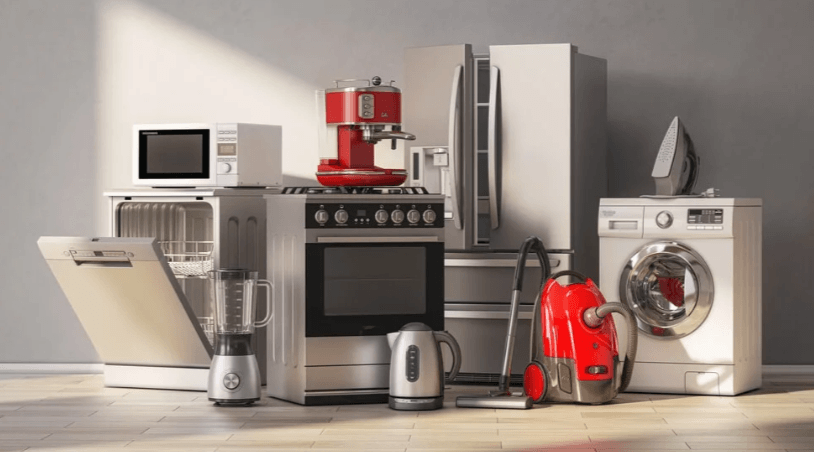
Household appliances and personal technology are designed to support different activities, from cleaning and grooming to entertainment and daily organisation. With so many products available, consumers can find it difficult to decide which features are genuinely useful.
A practical buying decision begins with understanding the intended purpose of a product. Instead of focusing only on advanced specifications or promotional descriptions, shoppers should consider how the device will fit into their everyday routine.
Match the Product to the Task
Every appliance has a particular purpose. A cleaning device should be evaluated according to the surfaces and areas it needs to handle, while a personal care appliance should be assessed according to its settings and intended use.
Consider how often the product will operate and whether it will be used by one person or several household members.
A device that is used daily may need to be easy to clean, comfortable to handle and simple to maintain. An occasional-use product may have different priorities.
Understand the Main Specifications
Specifications provide a useful starting point for comparing similar products.
Depending on the category, buyers may need to review:
- Power requirements
- Dimensions and weight
- Operating modes
- Temperature or speed settings
- Noise levels
- Energy information
- Included attachments
- Maintenance requirements
Not every specification will be equally important. Focus on the details that directly affect the product’s intended purpose.
Look Beyond the Advertised Features
Promotional descriptions often highlight a product’s most noticeable features. However, consumers should also examine practical details that may not receive as much attention.
For example, a device may have several operating modes but require complicated maintenance. Another may have a simpler design that is easier to use regularly.
Handling, storage, cleaning and replacement parts can all influence satisfaction after purchase.
Consider the Space Available
Appliance dimensions should be checked before ordering. A product may appear compact in a photograph but require more room than expected.
Measure the intended storage or installation area and consider access to power outlets where relevant.
For larger equipment, also check doorways, lifts and delivery access. These practical details can prevent difficulties when the product arrives.
Safety and Correct Use
Electrical appliances should always be used according to the manufacturer’s instructions. Check voltage and power requirements, use suitable accessories and keep devices away from conditions that could cause damage.
Do not use products with visibly damaged cables or plugs. If a device behaves unexpectedly, stop using it and seek appropriate support.
Reading the manual before first use can help users understand controls, warnings and maintenance requirements.
Exploring Available Product Ranges
Consumers comparing Philips products can review the available collection and identify options that match their household or personal care requirements.
The brand name alone does not explain the features of every product. Check the exact model description, specifications, included accessories and care instructions before making a decision.
It is also sensible to compare the warranty and service arrangements for the specific item.
Maintenance and Replacement Parts
Maintenance can affect how well an appliance performs over time. Depending on the product, it may involve cleaning removable parts, checking filters or replacing accessories.
Before buying, find out whether replacement components are available and how frequently they may need attention.
Follow the manufacturer’s cleaning instructions and avoid using unsuitable chemicals or tools. Proper storage can also help protect appliances from unnecessary damage.
Balancing Budget and Long-Term Value
The most expensive appliance is not always the most appropriate choice. Buyers should compare the features they will use with the additional cost of premium models.
Consider the expected frequency of use, energy consumption, maintenance and warranty coverage. A product that meets the essential requirements may provide better value than one with numerous unnecessary features.
A realistic budget can help shoppers focus on practical options.
FAQs
1. Which appliance features should I prioritise?
Prioritise the features that affect the product’s main purpose, such as performance, ease of use, size, safety and maintenance. The most relevant details depend on the appliance category.
2. Why should I check product dimensions before ordering?
Dimensions help confirm that the appliance will fit in the intended space and can be delivered through available entrances. This is particularly important for larger products.
3. How can I maintain an appliance properly?
Follow the manufacturer’s instructions, clean permitted components regularly and replace parts when required. Stop using equipment if cables or other safety-related components are damaged.
Conclusion
Choosing everyday appliances is easier when buyers focus on practical requirements rather than promotional claims alone. Specifications, dimensions, safety, maintenance and total cost all contribute to a product’s value. Careful comparison helps consumers select equipment that fits their space and routine.