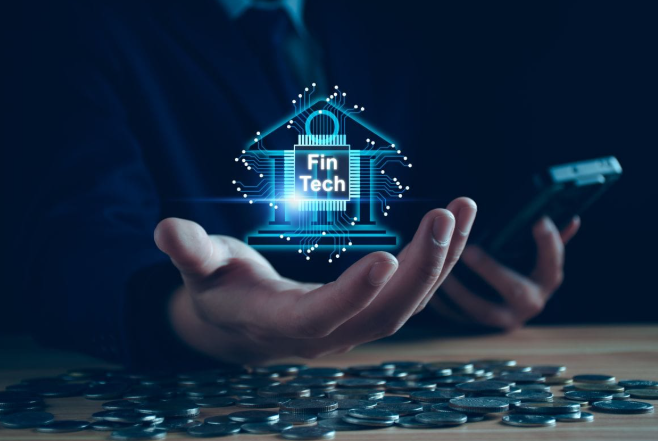
Fintech and digital banking have shifted finance from niche experiments to core infrastructure, underpinned by platform architectures, APIs, and data governance. Banks and fintechs race toward modular services, real-time analytics, and personalized experiences, while risk controls scale with cloud, analytics, and跨-border regulation. Consumers gain speed and transparency; businesses access contextual insights and embedded finance. The balance of innovation and governance will determine who leads in diverse markets, leaving strategic choices to those who align capabilities with risk and customer needs.
What Is Fintech and Digital Banking Today
Fintech and digital banking have evolved from niche innovations to mainstream financial infrastructure, driven by shifts in consumer behavior, regulatory support, and advances in data analytics, cloud computing, and open APIs.
This snapshot defines fintech definitions and frames digital banking today as platform-driven, API-enabled, and personalized, prioritizing speed, security, and transparency while data-driven governance guides risk, compliance, and performance benchmarks across diverse markets.
See also: ifitfashion
How Fintech Disrupts Traditional Banking
Traditional banking has faced rapid disruption as fintech-enabled capabilities reframe core competencies and value propositions. Fintech-driven platforms accelerate modular services, interoperability, and real-time analytics, pressuring incumbents to reassess risk models and cost bases.
Governance frameworks—fintech governance—must evolve to ensure compliance and security, while customer centricity shifts product design toward measured convenience, transparency, and outcomes, not merely transactions.
Opportunities for Consumers and Businesses
The convergence of fintech capabilities with digital banking creates tangible benefits for both consumers and businesses. For individuals, streamlined processes and digital wallets improve cash flow visibility and transaction speed, boosting customer trust.
For enterprises, fintech disruption accelerates payments and access to capital through small business lending and regulatory tech, enabling smarter treasury decisions while maintaining compliance.
Opportunities persist across diverse customer segments.
Risks, Regulation, and Responsible Innovation
What risks accompany rapid fintech and digital banking adoption, and how should regulation respond to maintain stability, security, and consumer trust?
The analysis highlights elevated operational risk, cybersecurity exposure, and model opacity.
Effective risk governance frameworks, standardized disclosures, and robust data protections are essential.
Regulation should balance innovation with accountability, safeguard consumer data rights, and enable transparent, data-driven supervision for durable, competitive fintech growth.
Frequently Asked Questions
How Do Fintech Startups Achieve Rapid Scale Globally?
Fintech scalability hinges on modular platform architectures and API-driven ecosystems, enabling rapid product deployment and partnerships. Global expansion relies on regulatory agility, localized compliance, and scalable risk tools, unlocking cross-border e-commerce, wallets, and embedded finance at velocity and scale.
What Skills Are Essential for a Fintech Career Path?
Essential fintech skills include data ethics, user onboarding, programming (Python/SQL), risk modeling, UI/UX mindset, regulatory literacy, and product management. Satirical tone opens; analysis remains data-driven, industry-focused, empowering a freedom-seeking audience.
Which Fintech Segments Will Dominate in the Next Five Years?
Open banking and global regulation will dominate, as compliant ecosystems attract cross-border fintechs; data-driven models scale efficiently, while digitized services leverage trust and interoperability, enabling rapid consumer choice and freedom within regulated, transparent global markets.
How Do Fintechs Monetize Without Traditional Fees?
Fintechs monetize via data-driven insights, partnerships, and value-added services rather than traditional fees, pursuing revenue through ancillary offerings, merchant incentives, and subscription models—an unrelated topic approached with an offbeat angle, data-centric, industry-focused, and freedom-oriented.
What Are the Top Consumer Privacy Strategies in Fintech?
Top consumer privacy strategies in fintech emphasize robust privacy controls and explicit user consent, enabling transparent data flows, granular disclosures, and consent revocation. Data-driven benchmarks show minimized collection, rapid breach notification, and auditable controls empowering freedom-loving users.
Conclusion
Fintech and digital banking have matured into core infra for financial services, enabling modular, API-driven offerings and real-time insights. A standout stat: 60% of globally active bank customers now use at least one digital channel, underscoring the move to platform-based, customer-centric models. Yet growth hinges on disciplined risk governance, interoperable ecosystems, and transparent data practices to sustain trust while accelerating innovation across markets and segments. The trajectory remains data- and governance-forward.